
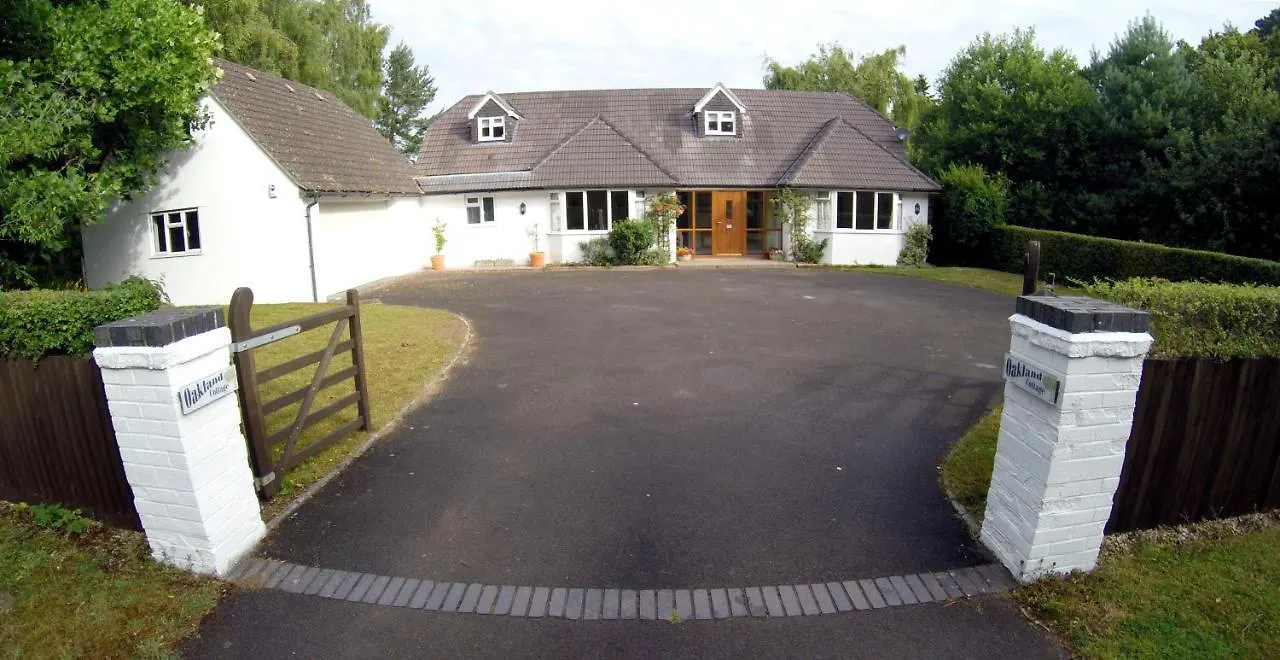
Chalet hotels in the United Kingdom span an unusually wide geographic and experiential range - from beachfront units on the Orkney Islands to rural retreats in Suffolk and Northern Irish coastal glamping sites steps from the Glens of Antrim. This guide covers 8 specifically selected properties across England, Scotland, and Northern Ireland, giving you concrete details to compare before you book.
What It's Like Staying in the United Kingdom
The UK compresses an extraordinary variety of landscapes into a relatively compact landmass - the chalk cliffs of Dorset, the Norse-influenced archipelagos of Shetland and Orkney, the ancient forest parks of County Antrim, and the river estuaries of Suffolk are all reachable without ever leaving the country. Crowd concentration is highest in London and the Lake District, which means that chalet-style accommodation in lesser-visited regions like Scalloway or Cushendall offers genuine seclusion without sacrificing accessibility. Demand spikes sharply in July and August, particularly at coastal and countryside properties, so availability windows close faster than most visitors expect.
Pros:
- Diverse regional character - each area of the UK has its own architectural heritage, cuisine, and natural landscape that feels distinctly different from the next
- Strong transport infrastructure - most rural chalet locations sit within around 25 km of a regional airport or train station, making car-free arrival feasible
- Year-round viability - the UK's mild Atlantic climate means most chalet destinations remain accessible even outside peak summer months
Cons:
- Weather unpredictability is a genuine planning factor - rain is possible in any month, particularly in Scotland and Northern Ireland
- Peak-season coastal areas like Dorset see accommodation prices rise sharply and roads become congested from late June onward
- Some rural chalet locations have limited public transport, making a car hire essentially mandatory for comfortable access
Why Choose Chalet Hotels in the United Kingdom
Chalet hotels across the UK typically provide self-catering kitchen facilities, private outdoor space such as a terrace or patio, and more square footage than a standard hotel room - making them a structurally different proposition from urban B&Bs or city-centre hotels. Nightly rates for UK chalets generally run lower than equivalent-quality hotel rooms in the same region, partly because guests absorb some catering costs themselves. The trade-off is that on-site services like daily housekeeping or on-demand room service are rarely included, and properties in remote locations can feel isolated without a car.
Main advantages of chalet hotels in the UK:
- Full kitchens in most units reduce food costs significantly over multi-night stays, particularly relevant in areas with limited restaurant options
- Private outdoor space - balconies, patios, or garden access - is standard rather than a premium add-on, unlike most UK urban hotels
- Family rooms and multi-bedroom configurations are available across most properties, supporting longer stays of around 4 nights or more
Main trade-offs in this category:
- On-site dining is inconsistent - some properties have a full restaurant while others offer only self-catering, requiring planning ahead in rural locations
- Chalet complexes in peak summer months can feel less private due to shared amenity spaces like gardens or parking areas
- Cancellation policies at smaller chalet properties tend to be stricter than at large hotel chains, with shorter refund windows
Practical Booking & Area Strategy
Choosing the right base in the UK for a chalet stay depends heavily on what you want within driving distance. Dorset is the strongest choice for heritage landmarks and coastal access - Corfe Castle, Monkey World, and the Jurassic Coast are all within 35 km of East Stoke and Dorchester properties. Northern Ireland's Causeway Coast requires more planning: the Giants Causeway draws over 1 million visitors annually, but accommodation in Cushendall places you closer to the quieter Glens of Antrim, away from the peak-season congestion. For Scotland, Orkney and Shetland chalets give access to Neolithic sites like the Standing Stones of Stenness and Ring of Brodgar, both UNESCO-recognised, while Scalloway in Shetland sits just 7 km from Tingwall Airport, simplifying island arrival. Suffolk's Woodbridge area rewards visitors interested in Anglo-Saxon history - Sutton Hoo is within the same zone - with significantly lower nightly rates than comparable coastal properties in the South West. Roydon in Essex positions travellers within easy reach of Stansted Airport and London's northern commuter rail network, making it a practical layover or short-break base.
Chalet Hotels in Southern England
Southern England's chalet options range from full-service resort properties in Dorset to simpler inn-style chalets near Dorchester, with significant differences in on-site facilities and proximity to coastal landmarks.
-
1. The Dorset Resort
Show on map


 Check-infrom 16:00 until 23:30Check-outfrom 08:00 until 09:00
Just a few rooms left at the best rate!
from£ 285
-
2. The Old Ship Inn
Show on map


 Check-infrom 15:00 until 19:00Check-outfrom 05:00 until 11:00
Just a few rooms left at the best rate!
from£ 83
-
3. Roydon Marina Village Lodges
Show on map


 Check-infrom 16:00 until 21:00Check-outfrom 09:00 until 10:00
Just a few rooms left at the best rate!
from£ 241
-
4. Low Farm Cottages
Show on map


 Check-infrom 16:00 until 20:00Check-outuntil 10:00
Hurry – almost gone at this price!
from£ 135
Chalet Hotels in Scotland & Northern Ireland
Scotland and Northern Ireland's chalet properties deliver some of the most geographically distinctive stays in the UK - beachfront units on Orkney and Shetland, and a glamping site on the Antrim coast, each positioned near landmarks that have no equivalent elsewhere in Britain.
-
5. Buxa Farm Chalets
Show on map


 Check-infrom 15:00 until 23:30Check-outuntil 10:00
Hurry – almost gone at this price!
from£ 151
-
6. Easterhoull Chalets
Show on map


 Check-infrom 12:00 until 21:00Check-outuntil 11:00
Rooms filling fast – secure the best rate!
from£ 126
-
7. Glens Glamping
Show on map


 Check-infrom 15:00 until 20:00Check-outfrom 08:00 until 11:00
Rooms filling fast – secure the best rate!
from£ 179
- Show on map
Best price guarantee
Smart Travel & Timing Advice for UK Chalet Stays
UK chalet properties at coastal and countryside locations experience their sharpest demand spike between late June and the end of August, when school holidays drive occupancy to near-capacity across Dorset, the Antrim Coast, and Orkney simultaneously. Booking at least 8 weeks ahead for any July or August stay is the baseline - for specific properties like Buxa Farm Chalets in Orkney or Glens Glamping on the Antrim Coast, demand can fill calendars even earlier given limited unit counts. May and September offer the most practical balance of weather reliability and availability, with nightly rates typically lower than peak summer and crowds at landmarks like Corfe Castle and the Giants Causeway noticeably reduced. A minimum stay of 3 nights makes the most economic sense for self-catering chalets - the full kitchen setup only delivers cost savings relative to restaurant dining once you've amortised travel time and any access costs. For Scottish island properties in Orkney and Shetland, aligning your stay with ferry or flight schedules is essential since services run less frequently in winter and disruptions due to weather are common between October and March. Last-minute bookings occasionally yield availability at inland properties like Low Farm Cottages in Suffolk or Easterhoull Chalets in Shetland outside peak season, but beachfront and resort properties rarely discount late availability.


