
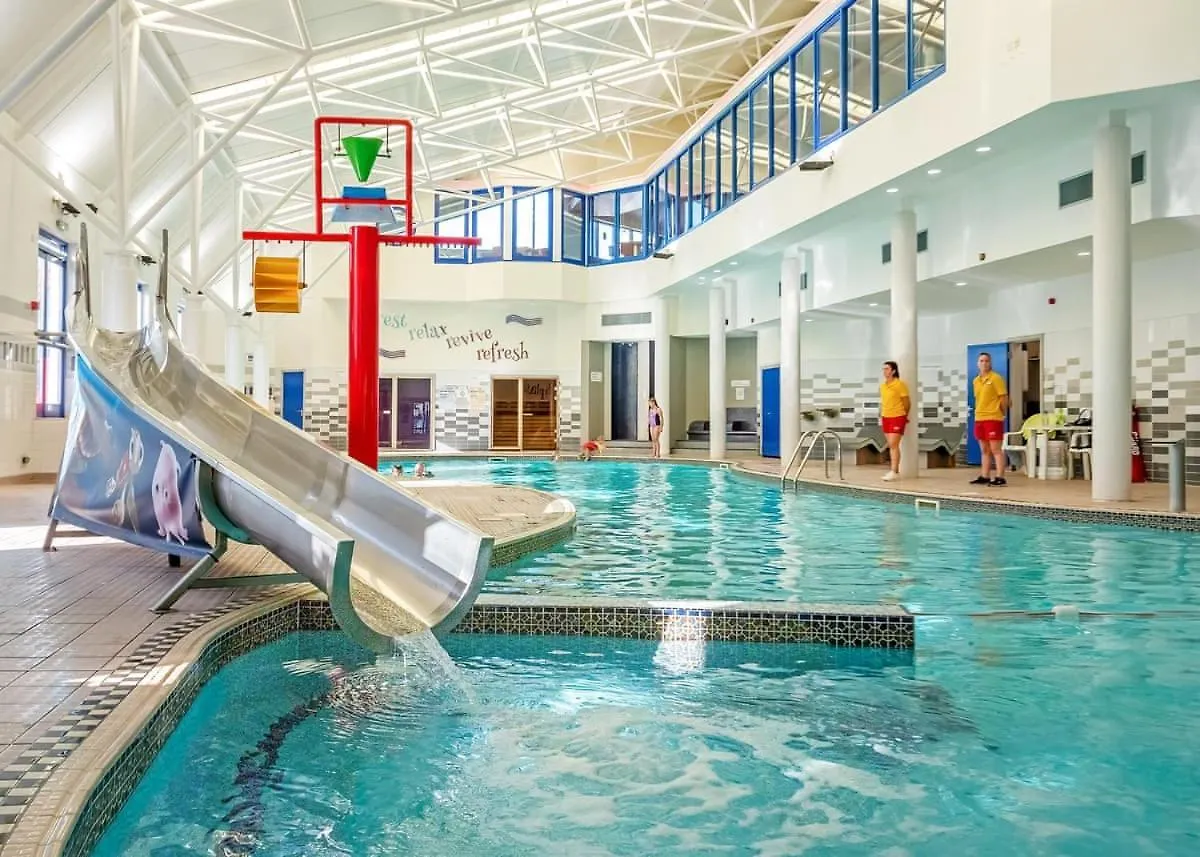
Cumbria is home to some of England's most dramatic landscapes, from the fells of the Lake District to the Solway Coast, and holiday parks here offer a self-contained base that standard hotels simply can't match. With a self-catered kitchen, private parking, and often outdoor hot tubs or pool access, these properties work especially well for families, groups, or anyone planning multi-day outdoor itineraries. This guide covers 6 holiday park hotels across the region - from coastal Silloth to rural Calthwaite - to help you choose the right base for your Cumbria trip.
What It's Like Staying in Cumbria
Cumbria spans around 6,800 square kilometres, making it the second-largest county in England, and that scale matters when planning where to stay. Getting between key areas like Keswick, Windermere, and Carlisle can take over an hour, so your base location directly affects how much you see. The Lake District National Park draws the heaviest tourist traffic between June and August, while coastal areas like Silloth and Mawbray stay noticeably quieter year-round.
Holiday parks in Cumbria suit self-sufficient travellers who want flexibility - early morning hikes, packed lunches, and evenings in rather than dinner reservations. Families and groups of 4 or more get the most value from the space and kitchen facilities that most Cumbrian holiday parks offer. Solo travellers or couples on a short city break may find the rural distances and self-catering format less convenient than a central guesthouse in Keswick or Windermere town.
Pros:
- Direct access to Lake District trails, Solway Coast, and forest parks without paying city-centre hotel prices
- Self-catering kitchens significantly reduce daily food costs, especially for groups
- Private parking included or available at most parks - essential in a region with limited public transport
Cons:
- Car is almost always necessary; public transport links between rural parks and key attractions are sparse
- Summer bookings fill quickly, especially for parks near Windermere and Derwentwater
- Weather in Cumbria is unpredictable - rain affects outdoor activities significantly between October and March
Why Choose a Holiday Park Hotel in Cumbria
Holiday parks in Cumbria offer a fundamentally different stay from B&Bs or Keswick hotels - typically providing 2 to 3-bedroom units with full kitchens, living areas, and private outdoor space, at nightly rates that become far more competitive per person for groups. A holiday park lodge for 4-6 people can cost less per head than a mid-range hotel room, particularly outside peak season. Unlike standard hotels clustered in Windermere or Ambleside town centres, these parks tend to sit on larger rural plots, giving direct access to countryside without the noise of busy tourist streets.
The trade-off is flexibility - most holiday parks require minimum stays of 2 or 3 nights, and last-minute availability is rare during school holidays. Facilities vary significantly: some parks include indoor pools, fitness centres, and on-site bars, while others offer a quieter lodge-only setup. Hot tubs are a standout feature at several Cumbrian holiday parks, especially popular during cooler autumn and spring visits when outdoor soaking after a day's hiking adds real value.
Pros:
- Multi-room layouts make holiday parks the most practical option for families or groups of 4 or more
- On-site facilities like pools, gyms, and bars reduce the need to drive into town daily
- Private hot tubs available at select parks - a genuine differentiator from standard accommodation in the region
Cons:
- Minimum stay requirements (typically 2-3 nights) limit spontaneous short breaks
- Peak-season prices spike sharply during UK school holidays in July and August
- Rural locations mean limited dining options nearby - self-catering is often a necessity, not just a bonus
Practical Booking & Area Strategy
Cumbria's holiday parks spread across three broadly distinct zones, and choosing the right one shapes your entire itinerary. Parks near the Solway Coast - including Silloth and Mawbray - sit around 40 km from the central Lake District fells, making them better suited to coastal walking and quieter stays than peak-season Lake District tourism. Parks closer to Penrith and Carlisle, such as those in Calthwaite and Brayton Station, sit within 30-50 km of both Derwentwater and Brougham Castle, offering a more central Cumbria positioning without the congestion of Windermere or Ambleside. For access to the southern Lakes - Windermere, Coniston, and the World of Beatrix Potter - parks around Kents Bank on the Morecambe Bay coast provide a quieter alternative base with Lake Windermere within around 25 km.
Key attractions to factor into your base choice include Derwentwater and the Borrowdale Valley, Cat Bells fell walk, Whinlatter Forest Park (England's only mountain forest), Ullswater, and Brougham Castle. Book at least 8 weeks ahead for any July or August stay - peak-season availability at the better-equipped parks in Cumbria disappears fast, particularly for lodges with hot tubs. Newcastle International Airport serves the north of the region at around 100-130 km from most parks, while Leeds Bradford Airport is the closest gateway for southern Cumbrian properties.
Best Value Holiday Parks
These parks offer strong self-catering setups and reliable amenities at rates that represent good value for groups and families exploring Cumbria's countryside and coast.
-
1. Stanwix Park
Show on map


 Check-infrom 16:00 until 23:59Check-outuntil 10:00
Just a few rooms left at the best rate!
from£ 154
-
2. Lyons Manor House Caravan Park
Show on map


 Check-infrom 16:00 until 18:00Check-outuntil 10:00
Just a few rooms left at the best rate!
from£ 149
-
3. Blenkett Wood Lodge Park
Show on map


 Check-infrom 16:00 until 23:59Check-outuntil 10:00
Hurry – almost gone at this price!
from£ 185
Best Premium Holiday Parks
These parks deliver elevated features - hot tubs, garden settings, and strong proximity to major Lake District landmarks - suited to travellers looking for a more refined self-catered experience in Cumbria.
-
4. Calthwaite Hall Lodges
Show on map


 Check-infrom 16:00 until 23:59Check-outuntil 10:00
Rooms filling fast – secure the best rate!
from£ 167
- Show on map
Best price guarantee
- Show on map
Best price guarantee
Smart Travel & Timing Advice
Cumbria's holiday parks follow a predictable demand curve tied to UK school holidays and weather patterns. July and August are the most congested months across the entire region - Windermere, Keswick, and surrounding parks see occupancy spike to near capacity, and prices at well-equipped parks can rise by around 60% compared to the same property in late September. For the best balance of weather and crowd levels, late May to mid-June and September to early October are the tactical windows: daylight hours remain long, trails are drier than winter, and availability is far more flexible.
A minimum stay of 3 nights makes practical sense in Cumbria - the region rewards slower exploration, and driving distances between key areas like Ullswater, Derwentwater, and the Solway Coast mean one-night visits rarely justify the travel. Book at least 8 weeks ahead for any summer stay, particularly for lodges with hot tubs or indoor pool access. Winter visits (November to February) offer the lowest prices and near-empty trails, but Cumbrian weather brings frequent rain and limited daylight - best suited to travellers who specifically enjoy off-season walking or want a quiet cabin-style retreat rather than active sightseeing.


